Writen by
nguyen hoang khai
nguyen hoang khai
Short answer: Yes. Email marketing is still effective, but its role has changed. In a market where social media drives discovery and chatbots handle instant interaction, email remains highly valuable for nurturing, follow-up, onboarding, retention and re-engagement.
Email is not fully dependent on social algorithms, and it is not limited to a single live conversation the way chat can be. Once a person gives your business permission to contact them, email becomes a more direct and controllable way to continue the relationship beyond the first touchpoint.
The real strength of email is not volume. It is relevance. When email is tied to behavior, segmentation and automation, it becomes a practical system for moving people forward instead of just broadcasting messages.
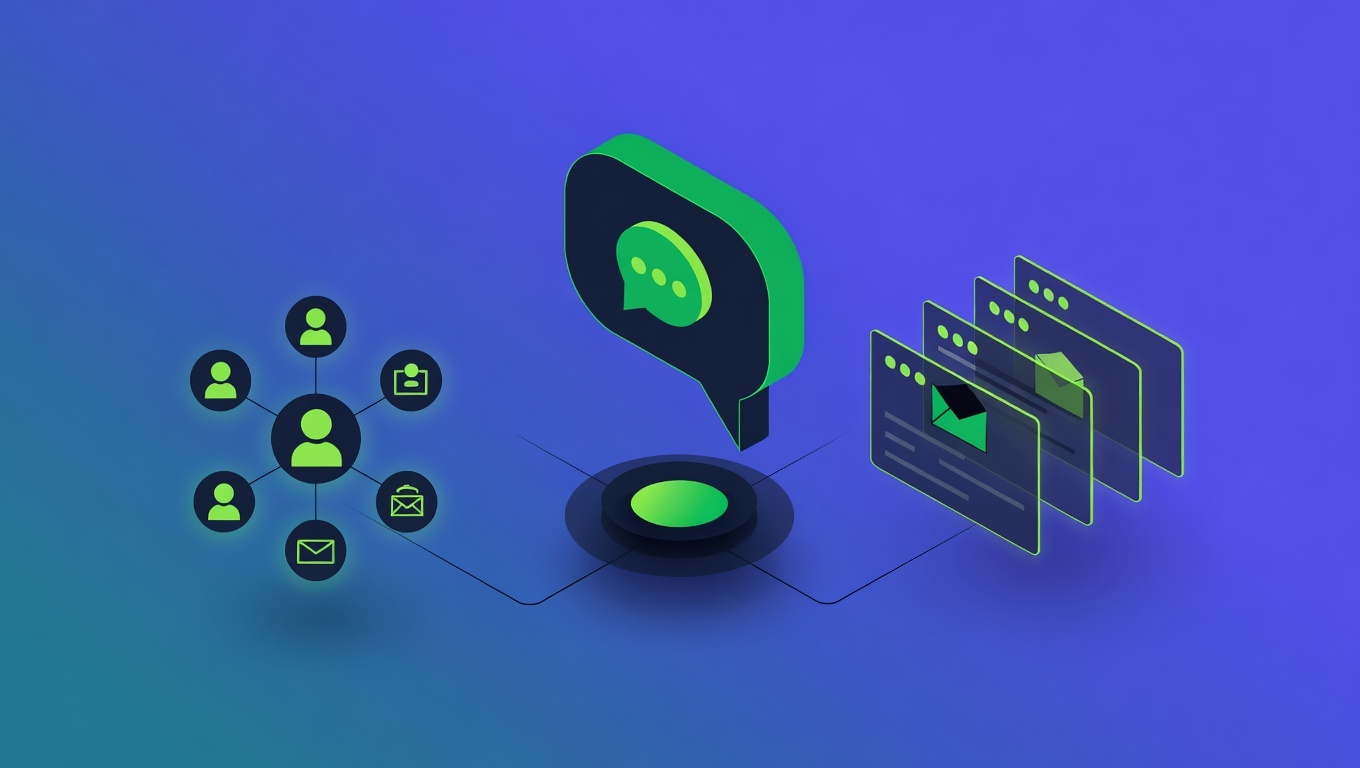
Social media is strong at visibility, discovery and early attention. Chatbots are strong at immediate replies, basic qualification and routing. Email is strong at continuing the journey after that moment by sending the next useful message, reinforcing trust and bringing people back when they are ready.
That is why these channels should not be framed as replacements for one another. They are better understood as different layers of the same customer journey.
When someone fills out a form, downloads content, books a call or leaves information through a chatbot, email is a natural channel for welcome sequences, next steps and guided follow-up.
Many prospects need time to compare options, build trust and understand the offer. Email helps a business stay present in a useful way during that period instead of relying on the prospect to come back on their own.
Email is especially effective for onboarding, usage reminders, education, service updates, cross-sell opportunities, feedback requests and win-back campaigns.
Email becomes much more powerful when connected to website actions, CRM records, chatbot inputs or sales workflows. At that point, follow-up becomes structured instead of manual.
If a business has no usable first-party data, no real content value or no clear post-conversion process, email will be much less effective.
Email is not outdated. Outdated email practices are.
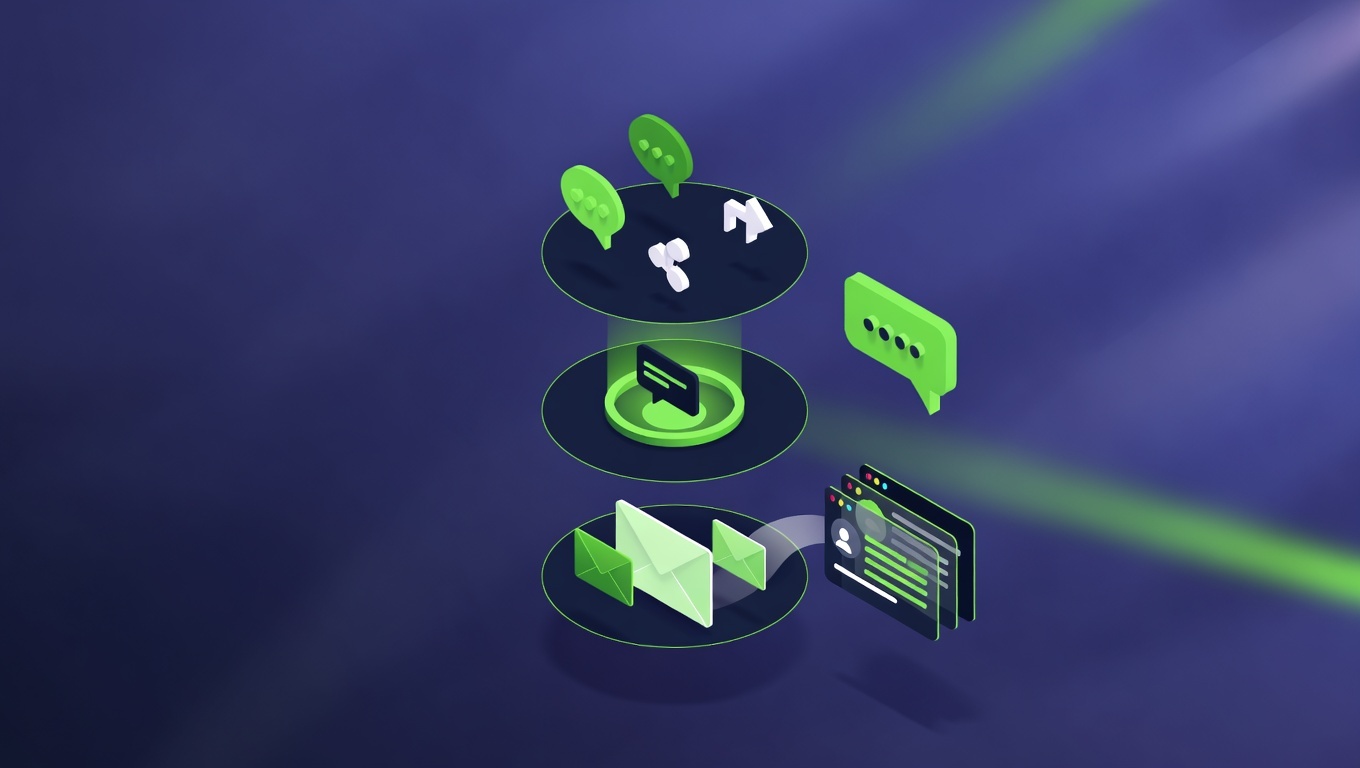
Choose one use case first: a welcome flow, post-form follow-up, chatbot-to-email nurture, onboarding sequence or re-engagement flow.
A short sequence with a clear trigger and CTA is usually more effective than a broad newsletter strategy with no real purpose.
If you already run social campaigns or website chat, use those channels to capture intent and move people into the right email path. That is where channel coordination starts to pay off.
Look beyond open rate. Track clicks, replies, return visits, bookings, qualified leads and conversion progress.
Email marketing is still effective, but not as a standalone blast channel. Social media helps people discover you. Chatbots help you respond quickly. Email helps you continue the relationship and guide people forward. For many businesses, the real question is not whether email still works, but whether email is being used in the right place within the broader marketing and customer-care system.
No. Social is stronger for discovery and top-of-funnel attention, while email is stronger for permission-based follow-up and lifecycle communication.
Not in most cases. Chatbots are excellent for immediate interaction, but email is still needed for ongoing nurture, reminders and post-conversation follow-up.
Yes, especially if they already collect leads, have repeat customer touchpoints or need consistent follow-up with limited team capacity.
They should also track clicks, replies, unsubscribes, deliverability and downstream actions such as meetings, leads or revenue impact.